
 +86 13600513715


Hot Products
0102030405
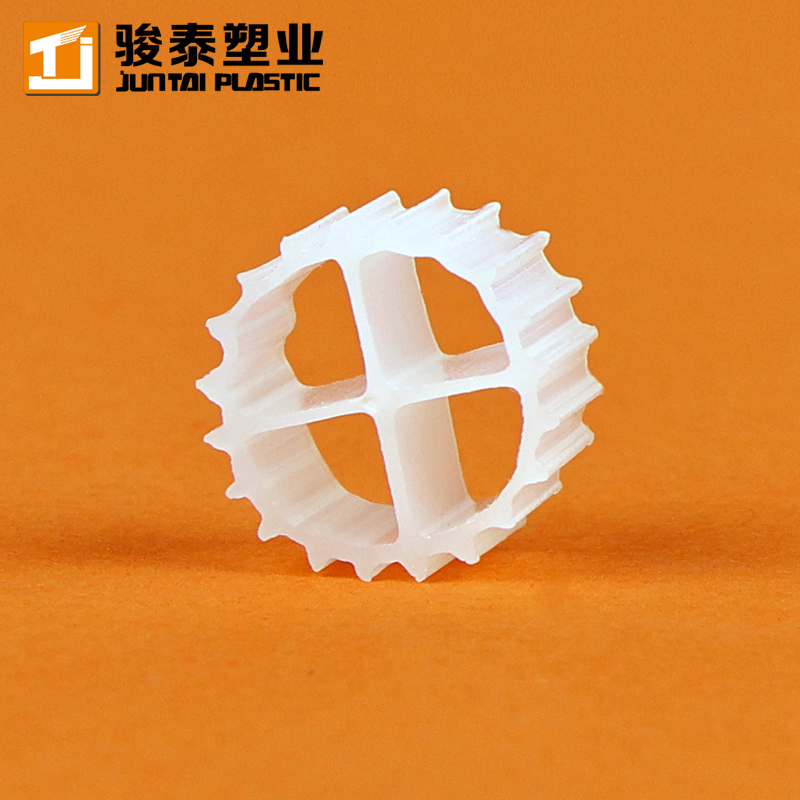
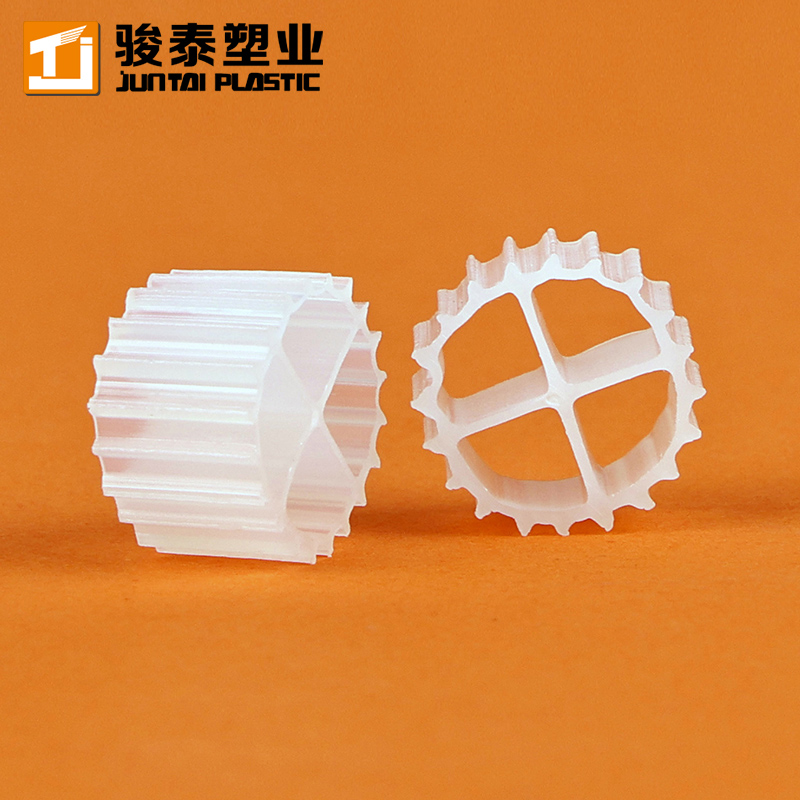
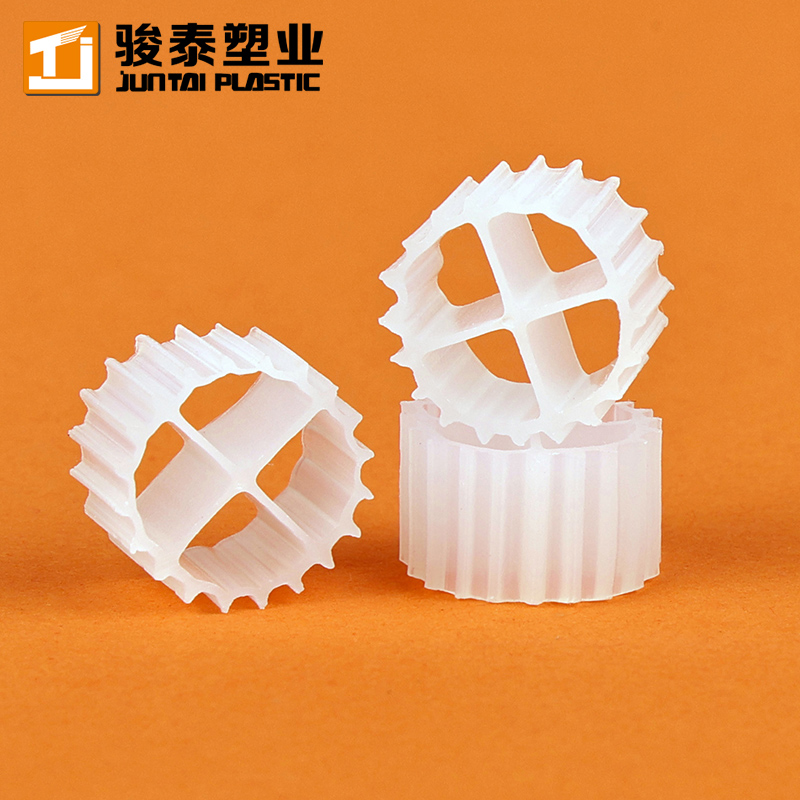
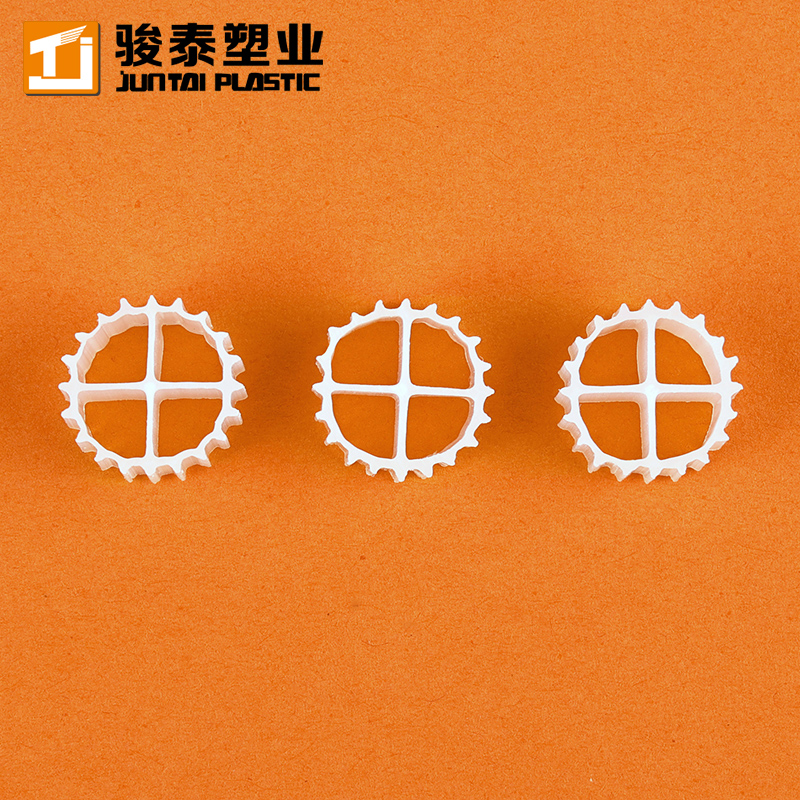
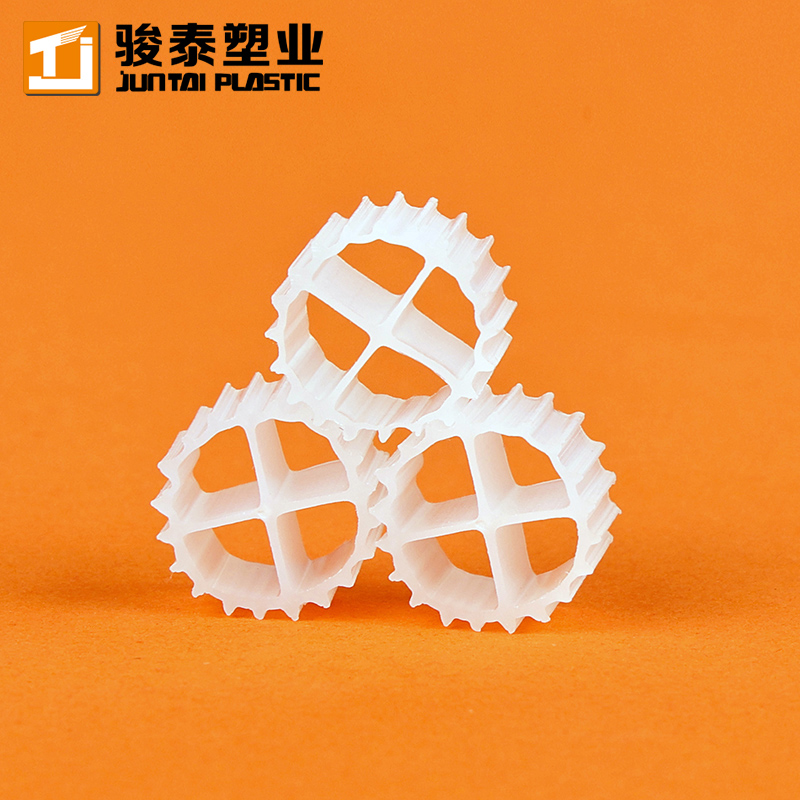
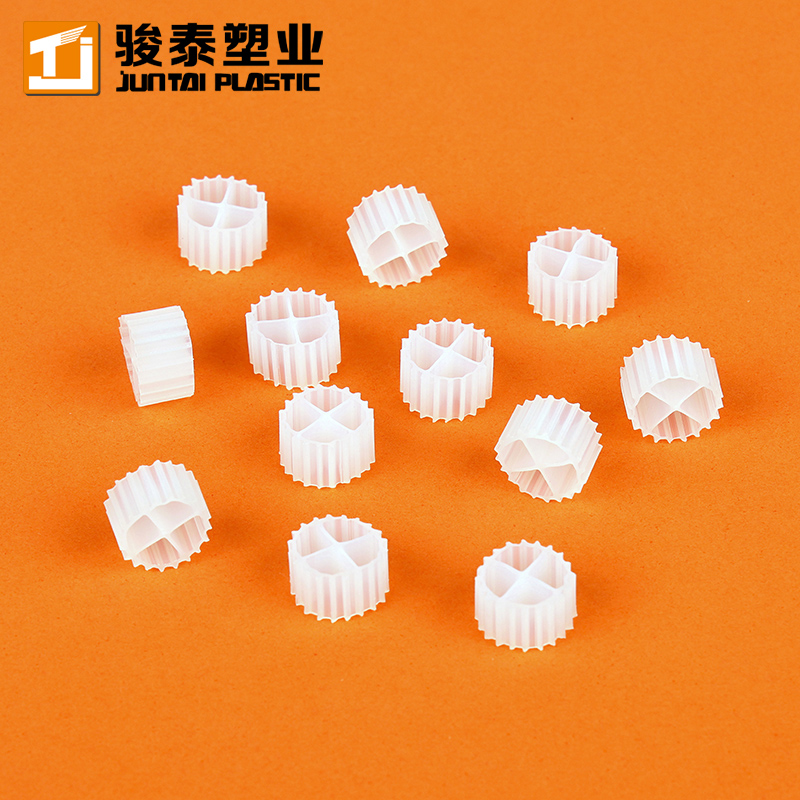
High-Quality MBBR Biofilm Carriers for Municipal Wastewater Treatment - China Suppliers & Factory
The material used in MBBR biofilter media plays a crucial role in determining its performance, longevity, and ease of biofilm formation. A high-quality and pure material not only ensures a longer service life but also facilitates the rapid development of a stable biofilm, which is essential for the efficient operation of the system.
Food-Grade Purity
100% free from phthalates, plasticizers, and toxic heavy metals like lead and tin to protect aquatic life.
100% Virgin HDPE
Zero calcium carbonate fillers or recycled brittle plastics, eliminating microplastic contamination hazards.
20-Year UV Protection
Formulated with advanced UV inhibitors to withstand direct sunlight without degrading or becoming brittle.
JUNTAI prioritizes the use of food-grade materials in the production of its MBBR media. This ensures that the material is free from harmful substances, such as heavy metals like lead and tin, as well as phthalates and plasticizers, which are known to pose significant health risks. Phthalates and plasticizers, in particular, have been linked to cancer and other serious illnesses in both humans and animals. This is especially critical in applications like fish farms, where the health of the aquatic life is paramount. Non-food-grade materials can contaminate the water, leading to health problems for the fish and potentially compromising the entire farming operation.
Moreover, the MBBR media produced by JUNTAI is made from 100% virgin HDPE (high-density polyethylene). This ensures that the media is durable and resistant to wear. In contrast, materials that incorporate recycled components, such as fillers like calcium carbonate or reused HDPE, are prone to brittleness. These inferior materials can easily break into small plastic fragments, which pose significant risks in both drinking water treatment and aquaculture settings. These tiny plastic particles are difficult to remove from water, and in some cases, there is no effective method for their removal. When fish or other aquatic organisms come into contact with water containing plastic debris, it can severely impact their health, growth, and overall well-being. The presence of such contaminants also poses potential health hazards to humans who consume the water or aquatic products.
In addition to the above, JUNTAI's MBBR media is designed with UV protection, extending its lifespan to an impressive 20 years. In aquatic systems, such as aerobic and anaerobic tanks, the media is often exposed to direct sunlight for extended periods. Without proper UV protection, the material can degrade under the harsh sunlight, leading to breakage and the release of harmful plastic debris into the water. This, in turn, creates a vicious cycle of contamination, exacerbating the risks mentioned earlier.
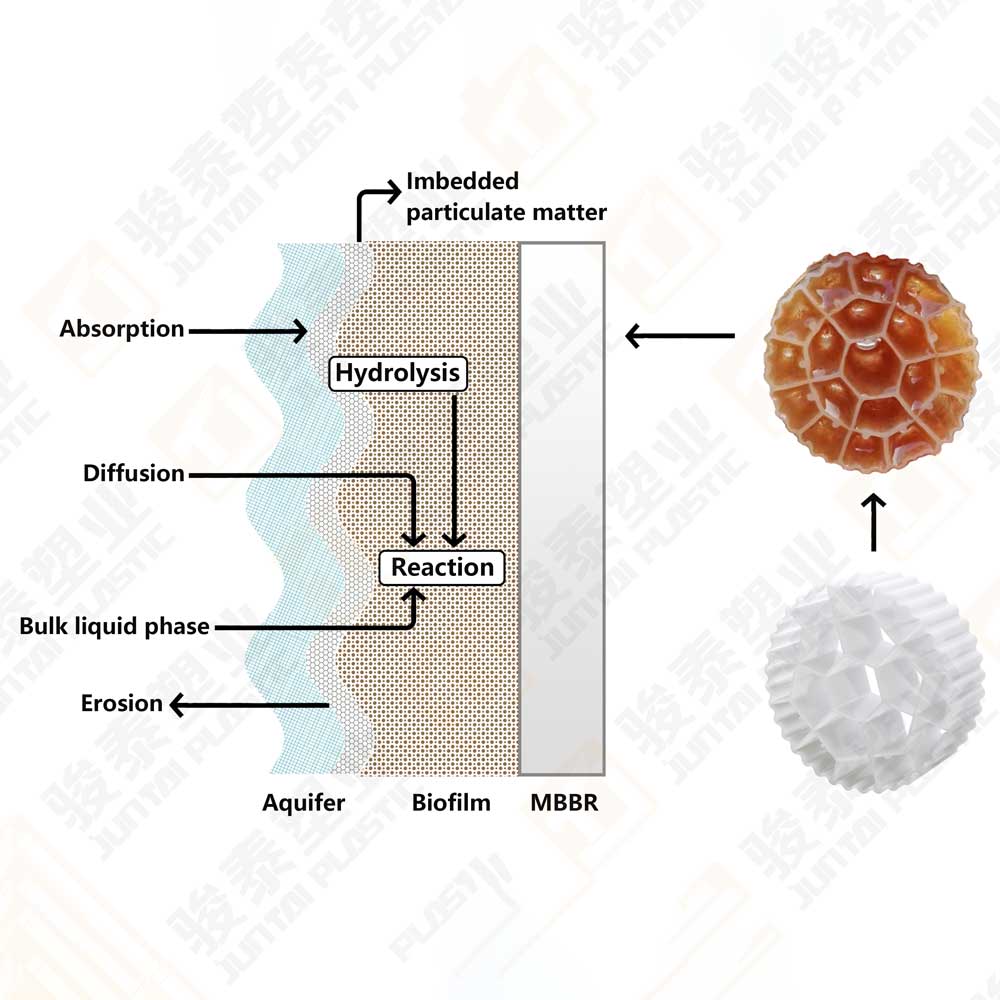
MBBR Filter Media Working Principle
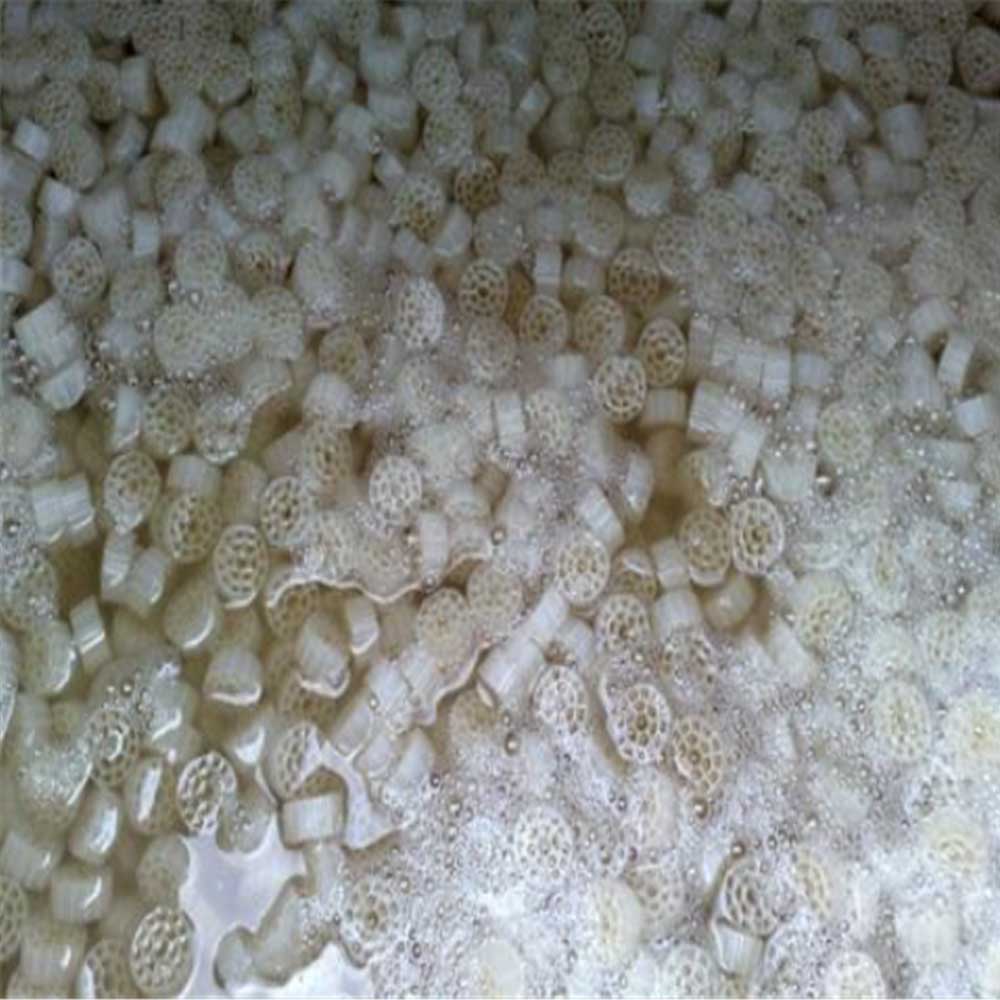
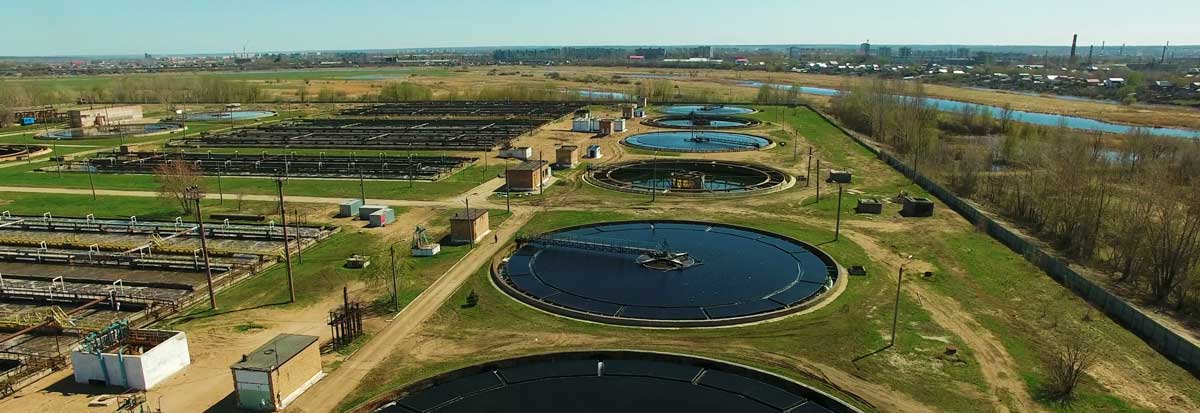
MBBR carrier deployment site
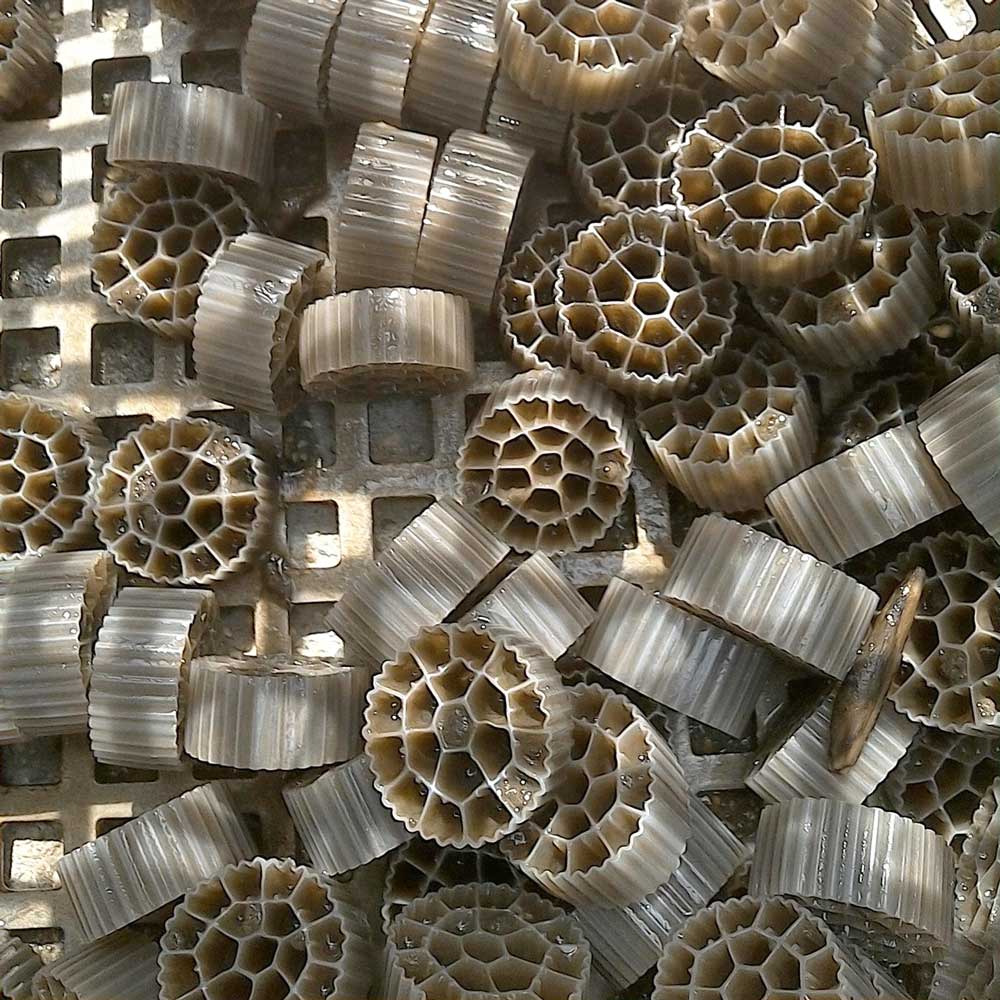
Biofilm formation on MBBR carriers
In summary, the choice of material for MBBR biofilter media is a critical factor that affects both the efficiency and safety of water treatment systems. JUNTAI’s commitment to using food-grade, virgin HDPE with UV protection ensures that its MBBR media is not only high-performance but also safe for both aquatic life and human health, guaranteeing long-lasting reliability in various applications.
Frequently Asked Questions (FAQ)
Why is the material quality of MBBR biofilter media so critical?
The raw material directly determines system longevity, mechanical durability, and how swiftly and securely a stable biological film can attach. Pure materials ensure long-term stability and high treatment efficiency.
What are the dangers of using recycled plastic or calcium carbonate fillers?
Materials containing recycled plastics or calcium carbonate fillers turn brittle over time and shatter into tiny plastic fragments. These microplastics are virtually impossible to filter out, contaminating water systems and threatening aquatic life and human consumers.
Why must MBBR media for fish farming and aquaculture be food-grade?
Non-food-grade plastics often contain harmful plasticizers, phthalates, and heavy metals (such as lead and tin) that leach into water, causing fatal diseases, reproductive issues, or cancer in fish, ultimately threatening human food safety.
How does UV protection enhance the durability of MBBR carriers?
Biological treatment basins are frequently exposed to direct outdoor sunlight. UV stabilization prevents solar degradation, cracking, and premature aging, allowing the media to achieve a service life of up to 20 years.
What makes 100% virgin HDPE superior to standard polymers for MBBR systems?
100% virgin HDPE offers optimal mechanical toughness, abrasion resistance, and flexibility, ensuring the carriers can endure continuous fluidization and friction inside aeration tanks without breaking down.