
 +86 13600513715


Hot Products
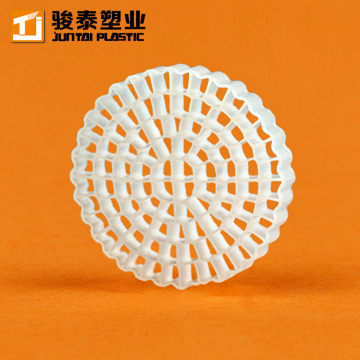
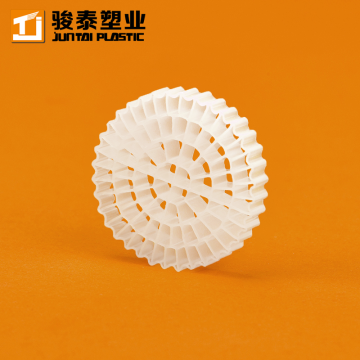
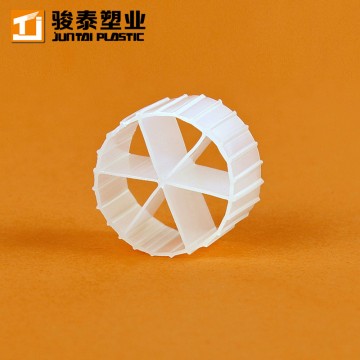
0102030405
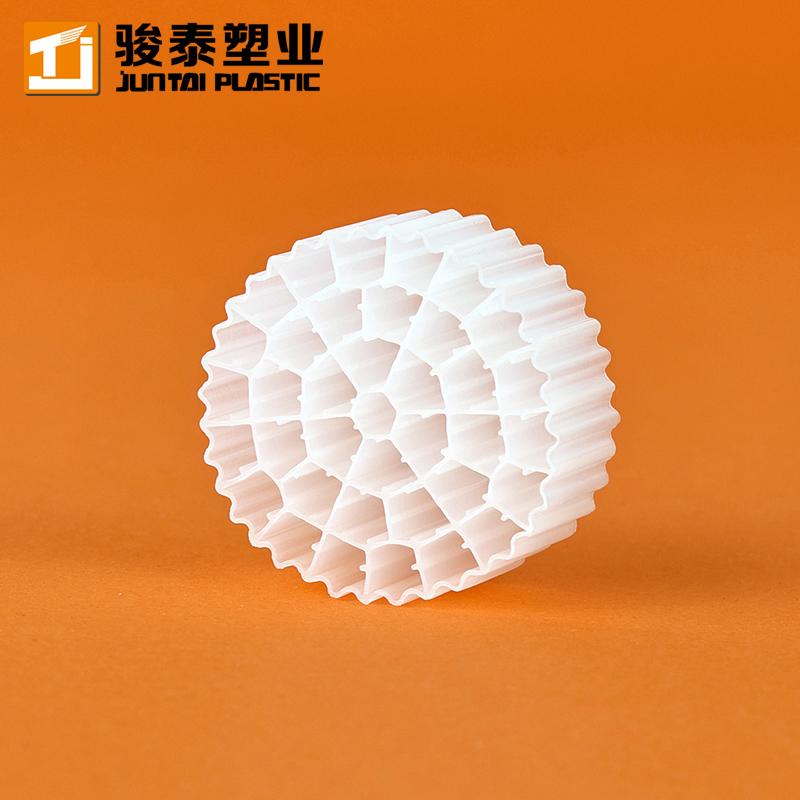
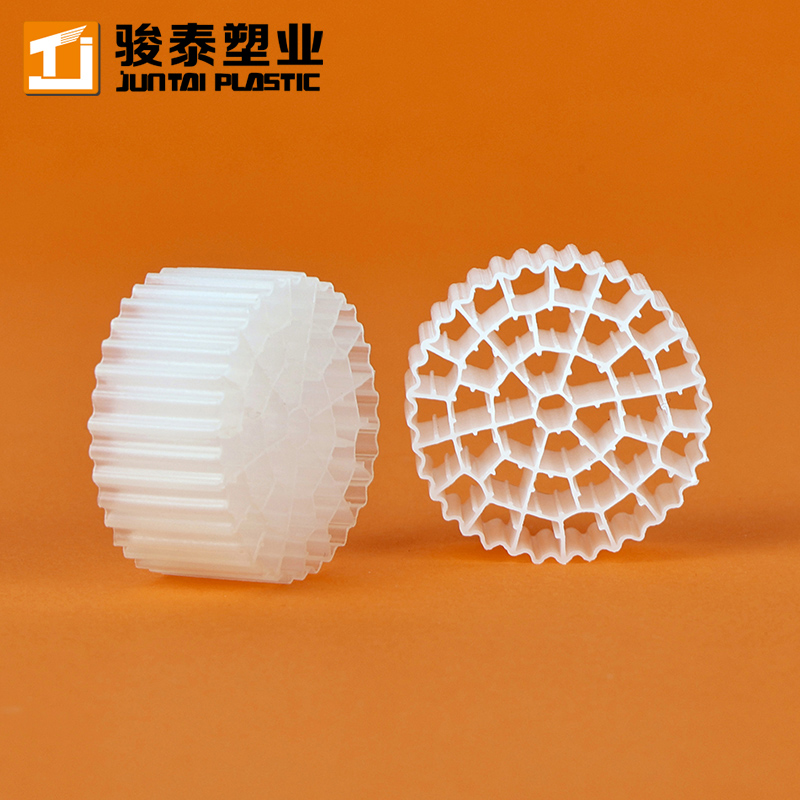
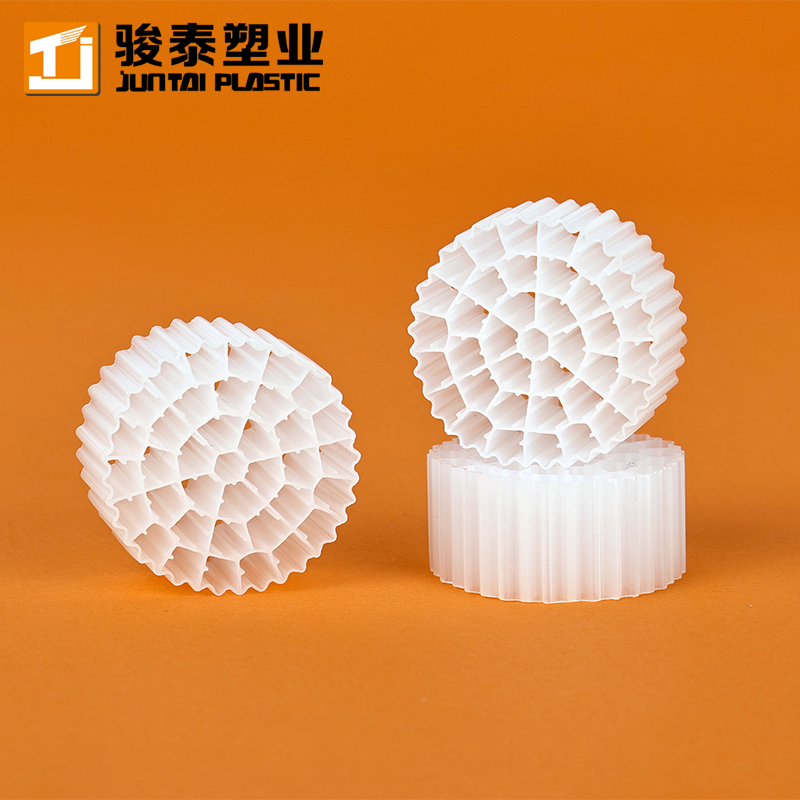
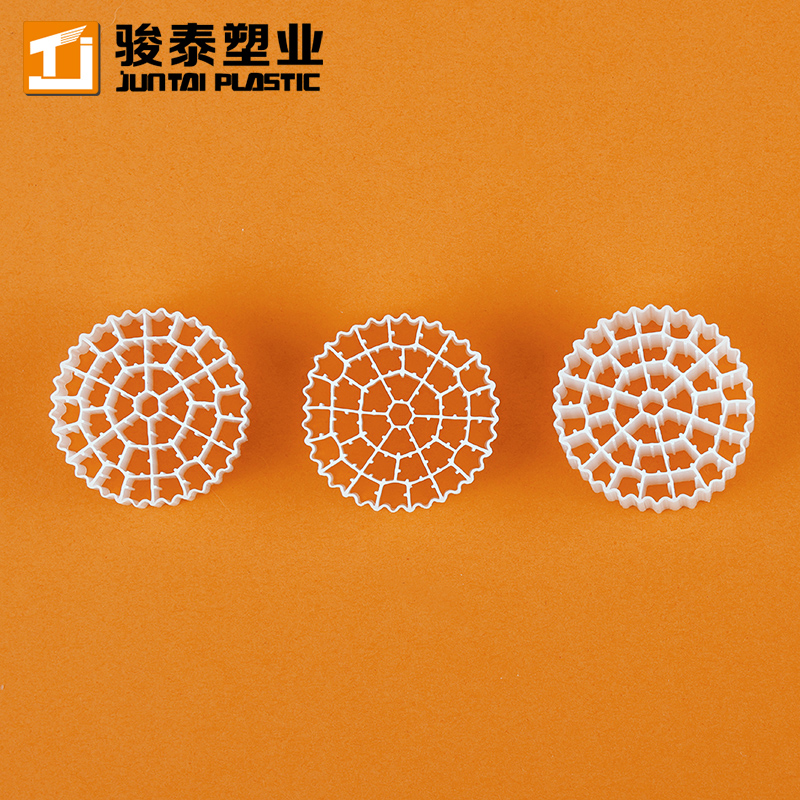
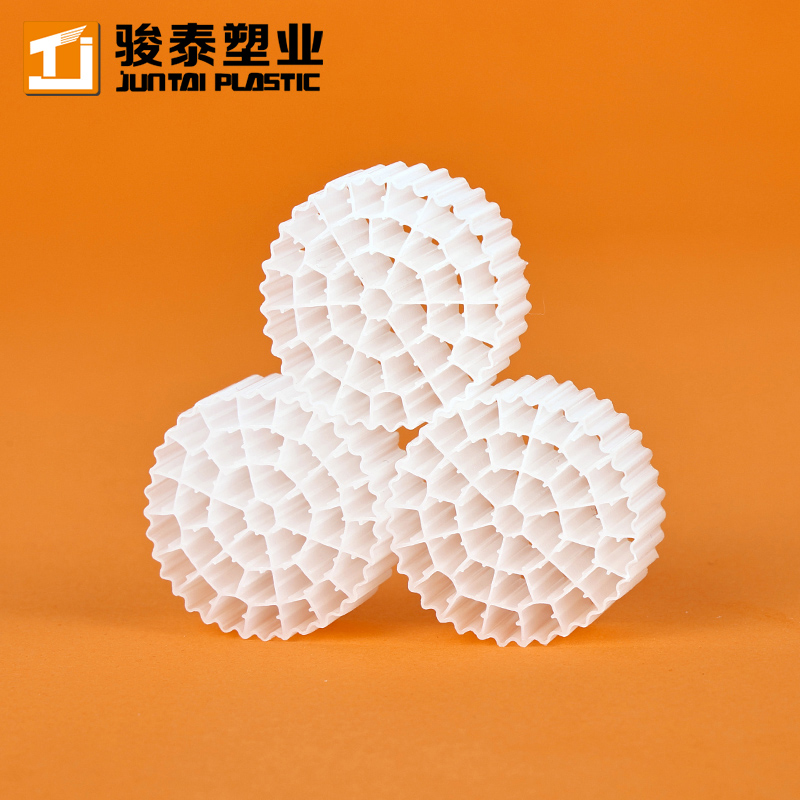
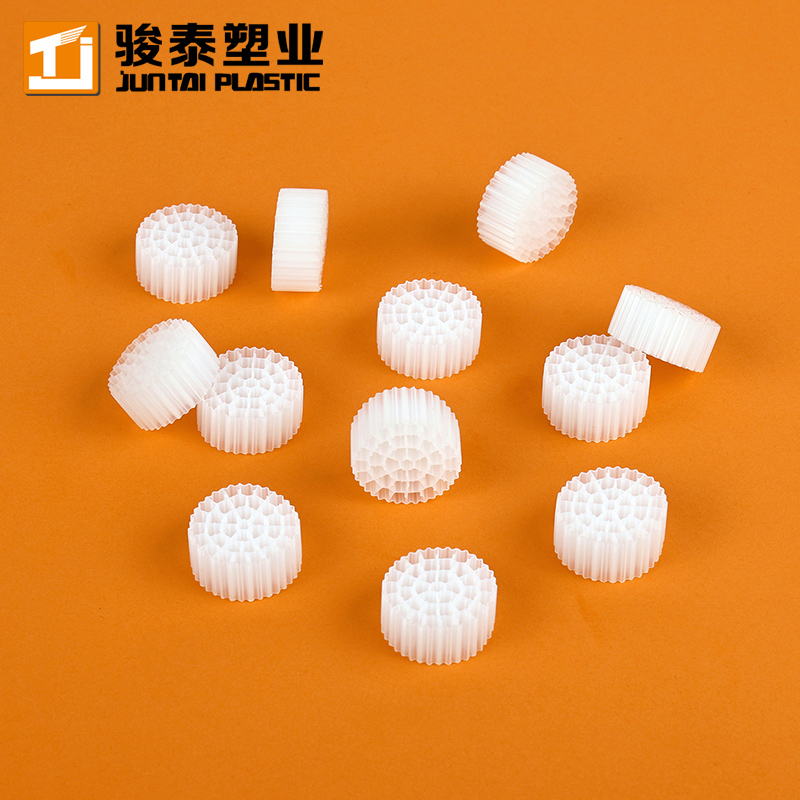
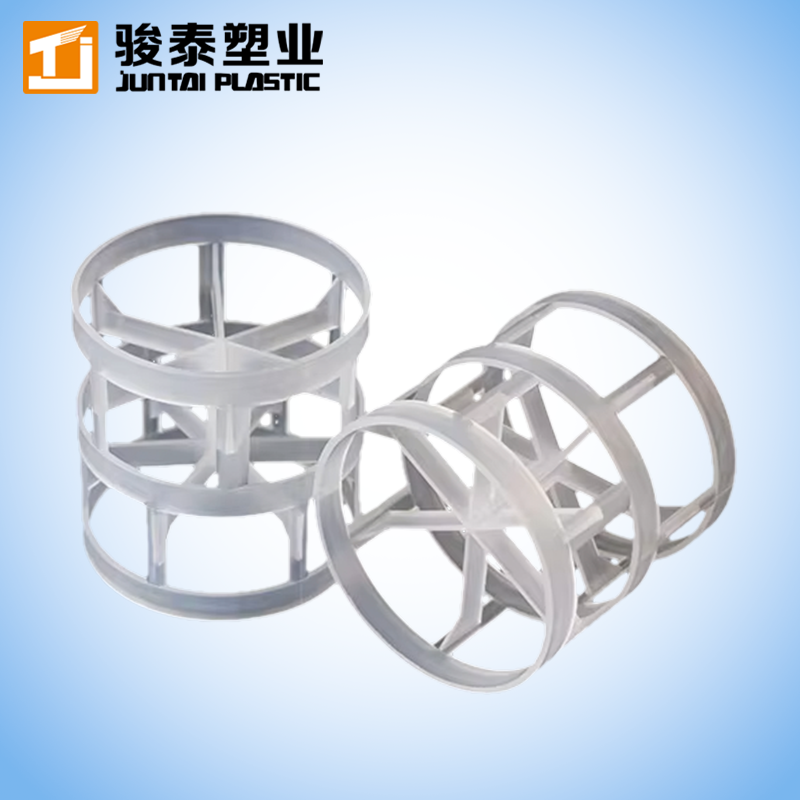
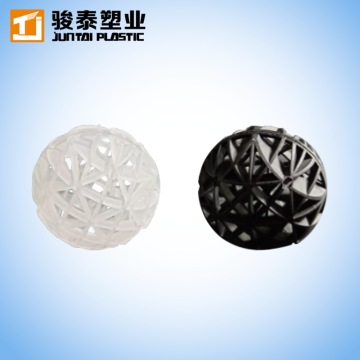
China Suppliers of High-Quality MBBR Media from a Leading Factory for Effective Water Treatment Solutions
Quality Materials for Safe and Durable MBBR Media
The material used in MBBR biofilter media plays a crucial role in determining its performance, longevity, and ease of biofilm formation. A high-quality and pure material not only ensures a longer service life but also facilitates the rapid development of a stable biofilm, which is essential for the efficient operation of the system.
1. Advanced 3D Biofilm Matrix Technology
Hexagonal Honeycomb Architecture: Proprietary lattice design delivers 800-1,500 m²/m³ effective surface area, enabling stratified colonization of nitrifying, denitrifying, and phosphorus-accumulating bacteria.
Shock Load Resistance: Self-cleaning hydrodynamic shear forces maintain 95%+ porosity under COD fluctuations up to 8,000 mg/L·d, ideal for chemical, pharmaceutical, and refinery wastewater.
2. Eco-Engineered for Sustainable Performance
UV-Stabilized Nano-HDPE Composite: Reinforced with inorganic hydrophilic additives, withstands pH 0.5-14, extreme temps (-40°C to 95°C), and 20+ years of UV exposure—2X longer than conventional media.
Energy-Smart Aeration: Vortex-inducing fins boost oxygen transfer efficiency (OTE) to 38%, reducing energy use by 35-50% vs. standard carriers—saving 550,000 kWh/year for 10,000 m³/day plants.
3. Simultaneous Nitrogen & Phosphorus Removal
Dual-Density Zoning System: Aerobic (0.94 g/cm³) and anoxic (1.03 g/cm³) zones enable single-tank SND (simultaneous nitrification-denitrification), achieving 88% TN removal and 18 mg/g P adsorption.
Biofilm Accelerator Coating: Enzyme-embedded surface reduces biofilm maturation time by 30%, even in low-temp (8°C) or high-salinity (5% NaCl) environments.
4. Intelligent Plug-and-Play Solutions
Customizable Configurations: Modular media (8-60 mm diameter) with 30-70% fill ratio adaptability, cutting retrofit time by 65% in legacy activated sludge systems.
AI-Driven Process Control: IoT-enabled biofilm thickness sensors + machine learning optimize DO levels and predict maintenance, slashing OPEX by 45%.
5. Globally Trusted Safety & Compliance
Aquaculture-Safe Certification: FDA-compliant & RoHS-tested material eliminates microplastic leaching—critical for RAS systems and potable water reuse projects.
Proven Cross-Industry Success: 600+ installations worldwide, including Saudi Aramco’s Oily Water Treatment, Canadian Arctic Mining Effluent, and EU Smart City WWTPs.
-
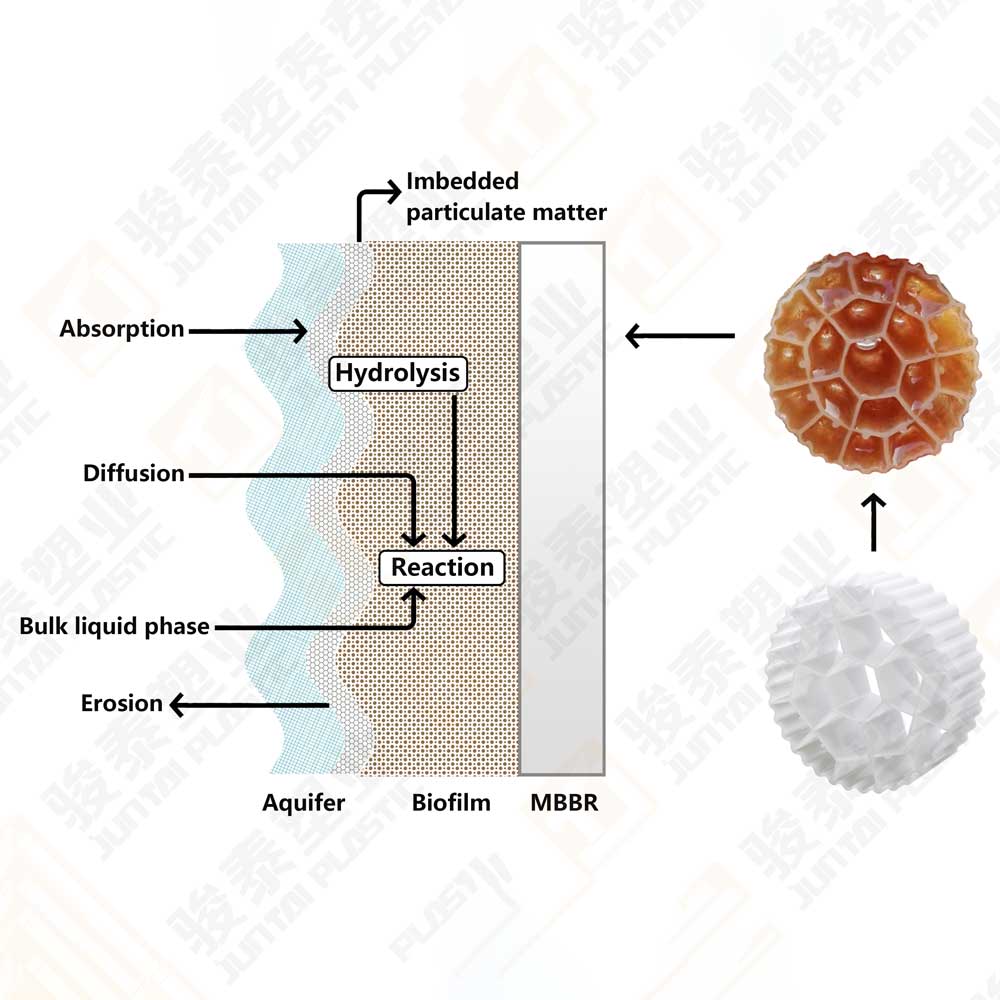
MBBR Filter Media Working Principle
-
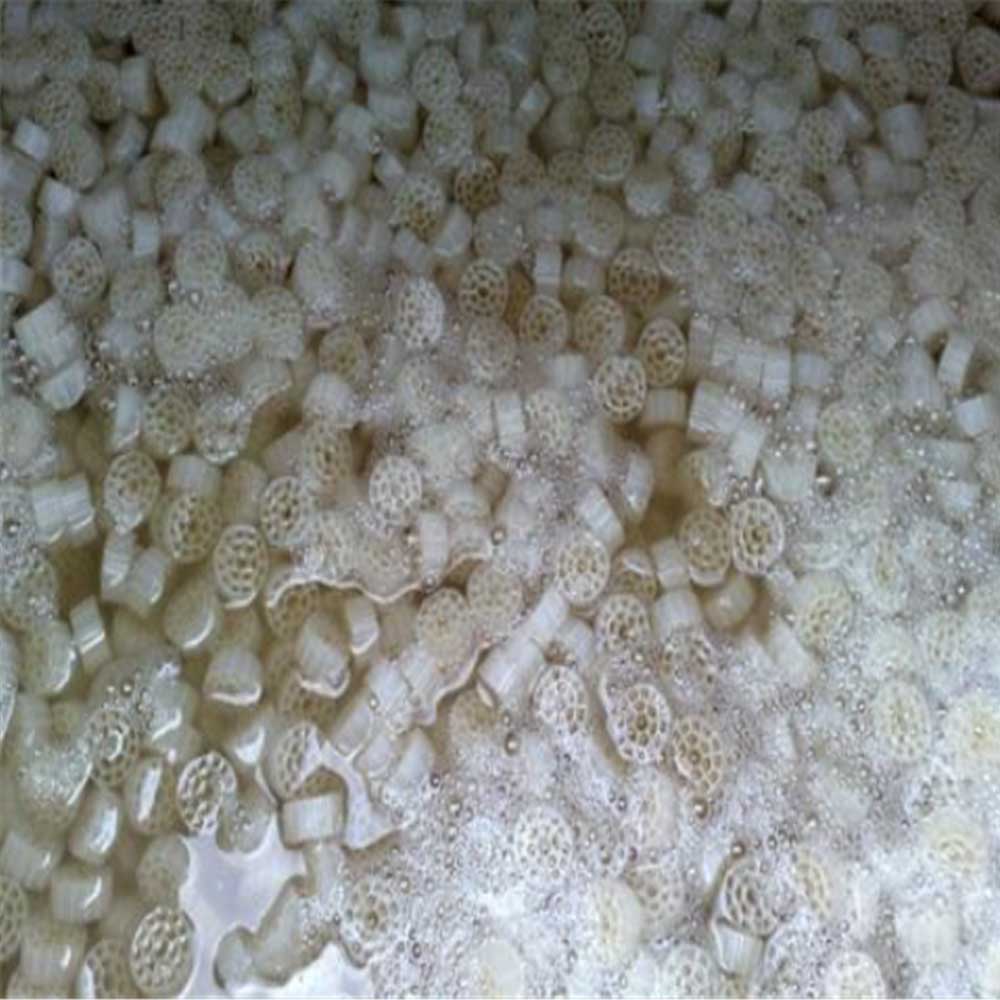
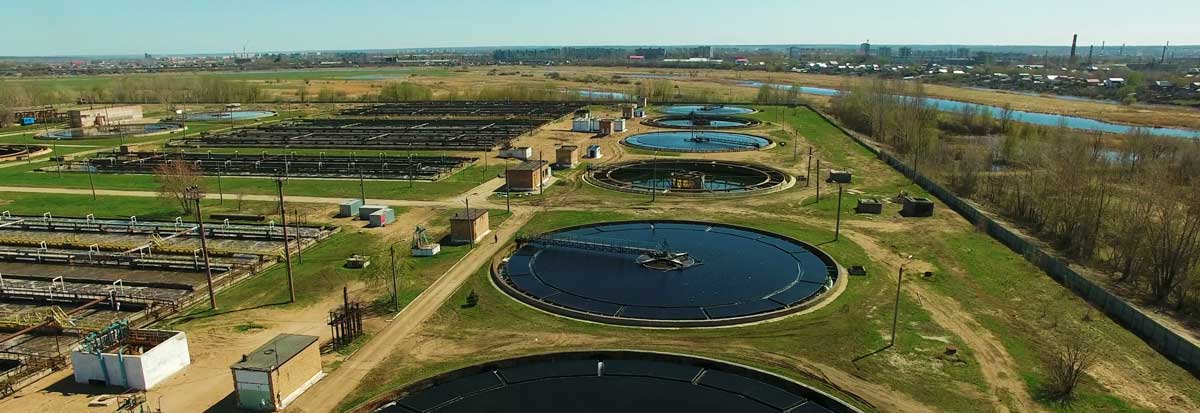
MBBR carrier deployment site
-
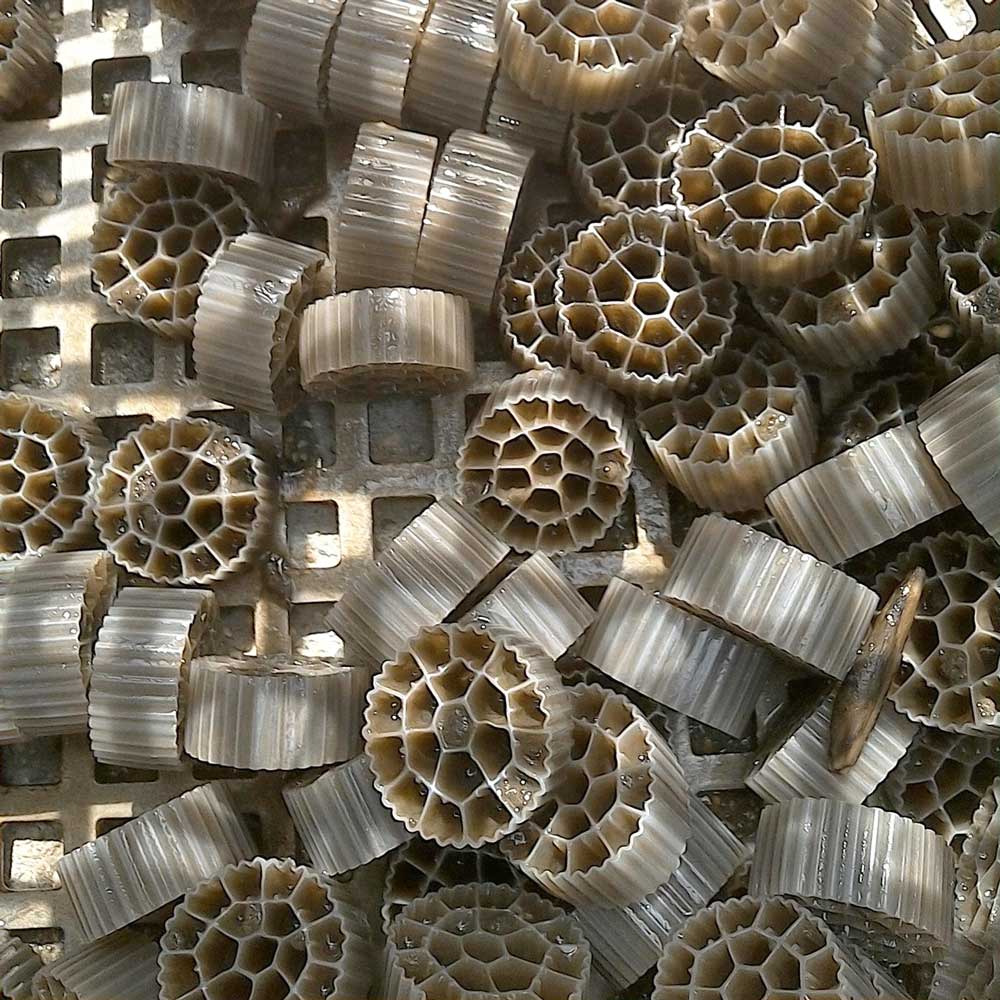
Biofilm formation on MBBR carriers
Frequently Asked Questions (FAQ)
Why does the material quality matter in MBBR media?
High-quality, pure materials ensure high mechanical strength, resistance to chemical and UV degradation, and provide an optimal surface for rapid, stable biofilm attachment, significantly extending system lifespan.
How does the 3D honeycomb architecture benefit wastewater treatment?
The hexagonal honeycomb architecture provides an expansive 800-1,500 m²/m³ effective surface area. It supports stratified bacteria colonization and ensures shock load resistance under COD fluctuations up to 8,000 mg/L·d with 95%+ porosity.
What makes this MBBR carrier resistant to harsh conditions?
Engineered from UV-stabilized Nano-HDPE composite with inorganic hydrophilic additives, it withstands aggressive chemical environments (pH 0.5-14), extreme temperatures (-40°C to 95°C), and 20+ years of direct sunlight exposure.
Can this media remove both Nitrogen and Phosphorus simultaneously?
Yes. The dual-density zoning system creates distinct aerobic and anoxic zones for single-tank simultaneous nitrification-denitrification (SND), reaching up to 88% TN removal and 18 mg/g phosphorus adsorption.
Is the media certified for aquaculture and drinking water applications?
Yes, it is FDA-compliant and RoHS-tested. The carrier produces zero microplastic leaching, making it entirely safe for sensitive Recirculating Aquaculture Systems (RAS) and municipal drinking water reuse projects.
How does the carrier help reduce operating expenses (OPEX)?
Vortex-inducing fins increase oxygen transfer efficiency to 38%, slashing aeration energy by 35-50%. In addition, IoT-based biofilm monitoring and AI process controls cut operational and maintenance costs by up to 45%.